Cat BMI Calculator
Calculate your cat's Feline Body Mass Index (FBMI) for a more accurate health assessment than weight alone.
How to Measure Your Cat
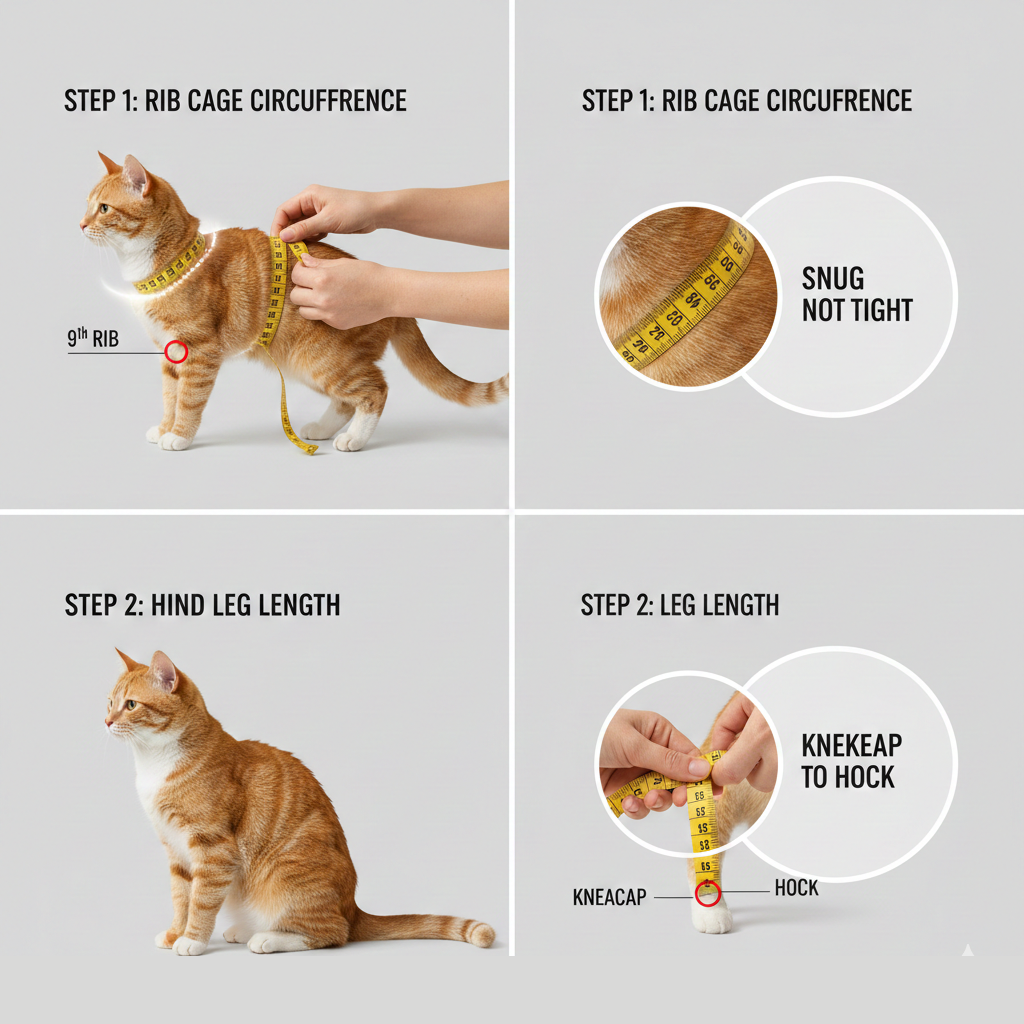
For accurate results, use a flexible tape measure while your cat is standing.
Enter Measurements
What is Feline Body Mass Index (FBMI)?
The Feline Body Mass Index (FBMI) is a standardized metric used to assess whether a cat is at a healthy weight. Unlike simple weight measurement, which varies greatly by breed and frame size, FBMI uses body proportions to provide a more accurate picture of body condition.
Our calculator uses a clinically validated algorithm that compares rib cage circumference to leg length. This method helps distinguish between a large-framed healthy cat and a smaller-framed overweight cat.
Interpreting Your Cat's Score
- Under 15 (Underweight): Your cat may need more calories or a checkup to rule out health issues like hyperthyroidism or kidney disease.
- 15 - 29.9 (Normal): Excellent! Your cat is in the ideal range. Maintain their current diet and exercise routine.
- 30 - 42 (Overweight): Your cat is carrying excess fat. Start monitoring treat intake and increase play sessions.
- Over 42 (Obese): This indicates significant excess weight, which increases the risk of diabetes, arthritis, and shortened lifespan. Consult your vet for a safe weight loss plan.
Frequently Asked Questions
How do I measure my cat correctly?
Rib Cage: Wrap the measuring tape around your cat's chest, just behind the front legs (at the 9th rib). It should be snug but not tight.
Leg Length: Measure the lower back leg from the knee cap down to the ankle bone (hock).
Is FBMI accurate for all breeds?
FBMI is accurate for most domestic cat breeds. However, breeds with unusual proportions (like Munchkins or Sphynx cats) or very large breeds (like Maine Coons) may require a veterinary assessment for 100% accuracy.
My cat won't stay still. What should I do?
Try measuring when your cat is relaxed or sleepy. You can also use a piece of string to take the measurement, mark the length, and then measure the string with a ruler.
What if my cat falls between categories?
If your cat is on the borderline (e.g., 29.9), use your hands to feel their ribs. You should be able to feel them with light pressure but not see them clearly. If you can't feel them, they may lean towards overweight.
References
- Hawthorne, A.J., et al. "Body weight changes during growth in puppies of different breeds." The Journal of Nutrition (2004).
- Feline Nutrition Awareness Effort (FNAE) - Body Mass Index Standards.
- World Small Animal Veterinary Association (WSAVA) - Body Condition Score Charts.